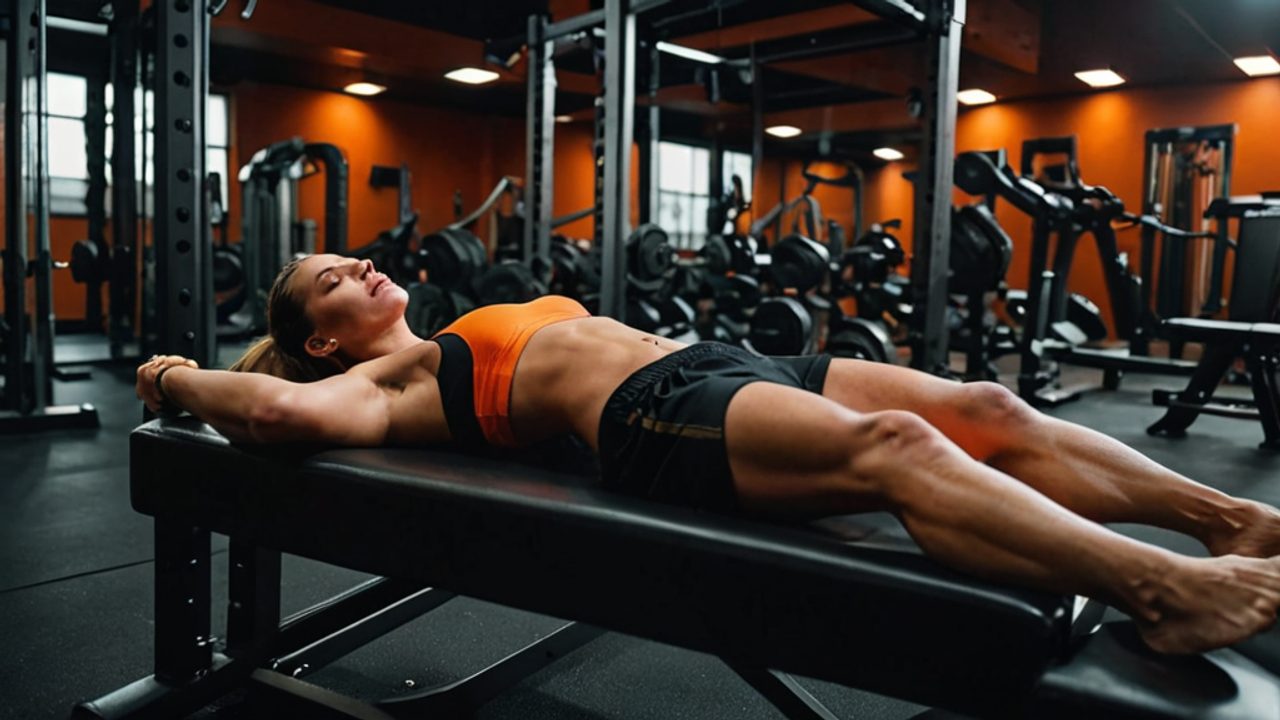
Sleep and the Gym: Why Your Results Happen While You're Not Working Out
Here’s something that doesn’t get said enough: you don’t actually get stronger at the gym.
You get stronger while you sleep.
The training session is the stimulus — the stress that signals your body to adapt. But the adaptation itself — the muscle growth, the strength increase, the metabolic improvement — happens during recovery. And the most powerful recovery tool you have isn’t a supplement, an ice bath, or a foam roller. It’s sleep.
This post breaks down what actually happens during sleep, why it matters for your fitness results, and what to do if you’re not sleeping well.
This post is for general educational purposes only and is not medical advice.
What Happens in Your Body During Sleep
Sleep isn’t passive downtime. It’s an intensely active biological process. Here’s what’s happening while you’re unconscious:
Human Growth Hormone Release
Your body secretes the majority of its daily human growth hormone (HGH) during the deep sleep stages (slow-wave sleep). HGH is essential for:
- Muscle protein synthesis — building and repairing muscle tissue
- Fat metabolism — mobilizing stored fat for energy
- Tissue repair — healing micro-tears from training
Chronically poor sleep = chronically suppressed HGH = chronically impaired recovery.
Muscle Protein Synthesis
After resistance training, your muscles need to repair the micro-damage caused by the workout. This process — muscle protein synthesis (MPS) — is most active during sleep, particularly when amino acids from your last meal are available.
This is one reason some coaches recommend a casein protein shake before bed — casein digests slowly, providing a sustained amino acid supply during overnight MPS.
Cortisol Regulation
Cortisol is a stress hormone that, in excess, breaks down muscle tissue (catabolism). Sleep deprivation elevates cortisol levels. This creates a double problem: less anabolic (building) activity and more catabolic (breaking down) activity — exactly backwards from what training requires.
Glycogen Restoration
Your muscles store carbohydrates as glycogen for energy during training. Sleep is a key period for glycogen replenishment. Poor sleep means less fuel available for your next workout, which means worse performance, which means less training stimulus.
Central Nervous System Recovery
Heavy strength training doesn’t just tax your muscles — it fatigues your central nervous system (CNS). The CNS controls muscle recruitment, coordination, and force production. CNS recovery happens primarily during sleep. Training on a depleted CNS is like driving with the parking brake on.
What the Research Says
The numbers are stark:
- A Stanford study found that athletes who extended sleep to 10 hours per night improved sprint speed, reaction time, and mood significantly — just from sleeping more.
- Research on sleep-deprived subjects shows reduced grip strength, reduced cardiovascular endurance, and significantly higher perceived exertion during the same workouts.
- One study found that sleeping less than 6 hours per night for two weeks produced cognitive and physical impairment equivalent to being legally drunk.
- Sleep deprivation is associated with increased injury risk in athletes — likely due to reduced reaction time, coordination, and tissue repair.
Bottom line: you can’t hack your way around sleep. The evidence is too consistent.
How Much Do You Actually Need?
The overwhelming consensus among sleep researchers is 7–9 hours per night for adults. For people doing intense training, the need skews toward the higher end.
Signs you’re chronically under-slept:
- Workouts feel harder than they should
- Strength or performance plateauing despite consistent training
- Higher-than-usual muscle soreness that lingers
- Mood, motivation, and focus are off
- Frequent illness or slow recovery from minor injuries
Practical Tips for Better Sleep
If your sleep is suffering, here’s what the evidence actually supports:
The Basics That Work
- Consistent schedule — wake up at the same time every day, including weekends. This anchors your circadian rhythm more than any supplement.
- Cool room — core body temperature needs to drop to initiate sleep. Most people sleep best around 65–68°F.
- Dark room — even small amounts of light suppress melatonin. Blackout curtains or a sleep mask make a measurable difference.
- Limit screens before bed — the blue light from phones and TVs suppresses melatonin and delays sleep onset. 30–60 minutes of screen-free time before bed is worth trying.
Manage Caffeine Carefully
Caffeine has a half-life of about 5–6 hours. That afternoon coffee at 3pm still has half its caffeine in your system at 8pm. Cut caffeine by early afternoon if you’re having trouble falling asleep.
Don’t Train Too Late
Intense exercise elevates adrenaline and body temperature, both of which interfere with sleep onset. Try to finish hard training at least 2–3 hours before bed. Light walks or stretching are fine anytime.
Consider Magnesium
Magnesium glycinate has decent evidence for improving sleep quality in people who are deficient (many are). It’s low-risk, inexpensive, and worth a try if you struggle with sleep quality.
Training Hard Requires Sleeping Hard
The culture around fitness often glorifies grinding — early mornings, late nights, “sleep when you’re dead” attitudes. This is backwards.
The most effective athletes and trainers in the world treat sleep as a performance variable with as much importance as training volume or diet. You can’t build what you’re constantly tearing down.
If your gym results have stalled, ask yourself honestly: how’s your sleep? Before adding another workout day, another supplement, or another training program, try getting 7–9 hours consistently for a month.
You might be surprised at what changes.
At TX Fitness in Forney, we support your whole health — not just the hour you spend in the gym. We’ve been serving Kaufman County since 2001, with a welcoming atmosphere, full equipment selection, Kids Zone, and a $19 biweekly membership that makes showing up easy.